Loading...
Serving Kailua, HI and surrounding areas. (808) 556-0595
Advanced Kailua Insulation is the insulation contractor serving Koolaupoko, HI, with attic insulation, spray foam, and blown-in insulation for homes across Kailua, Kaneohe, and the surrounding windward communities - free estimates and same-week scheduling since 2015.
The attic is where most heat enters homes across Koolaupoko - afternoon sun heats roofs across Kailua and Kaneohe, and without proper insulation that heat radiates straight into living spaces. Addressing the attic first delivers the biggest cooling efficiency gain of any upgrade you can make to a windward Oahu home. Learn more about our attic insulation services.
Concrete block homes throughout Koolaupoko were built with no insulation in the walls, and the district's constant humidity makes moisture-resistant materials essential. Closed-cell spray foam bonds directly to CMU block, seals out humid air, and holds its R-value even in wet conditions - making it the right choice for this part of windward Oahu.
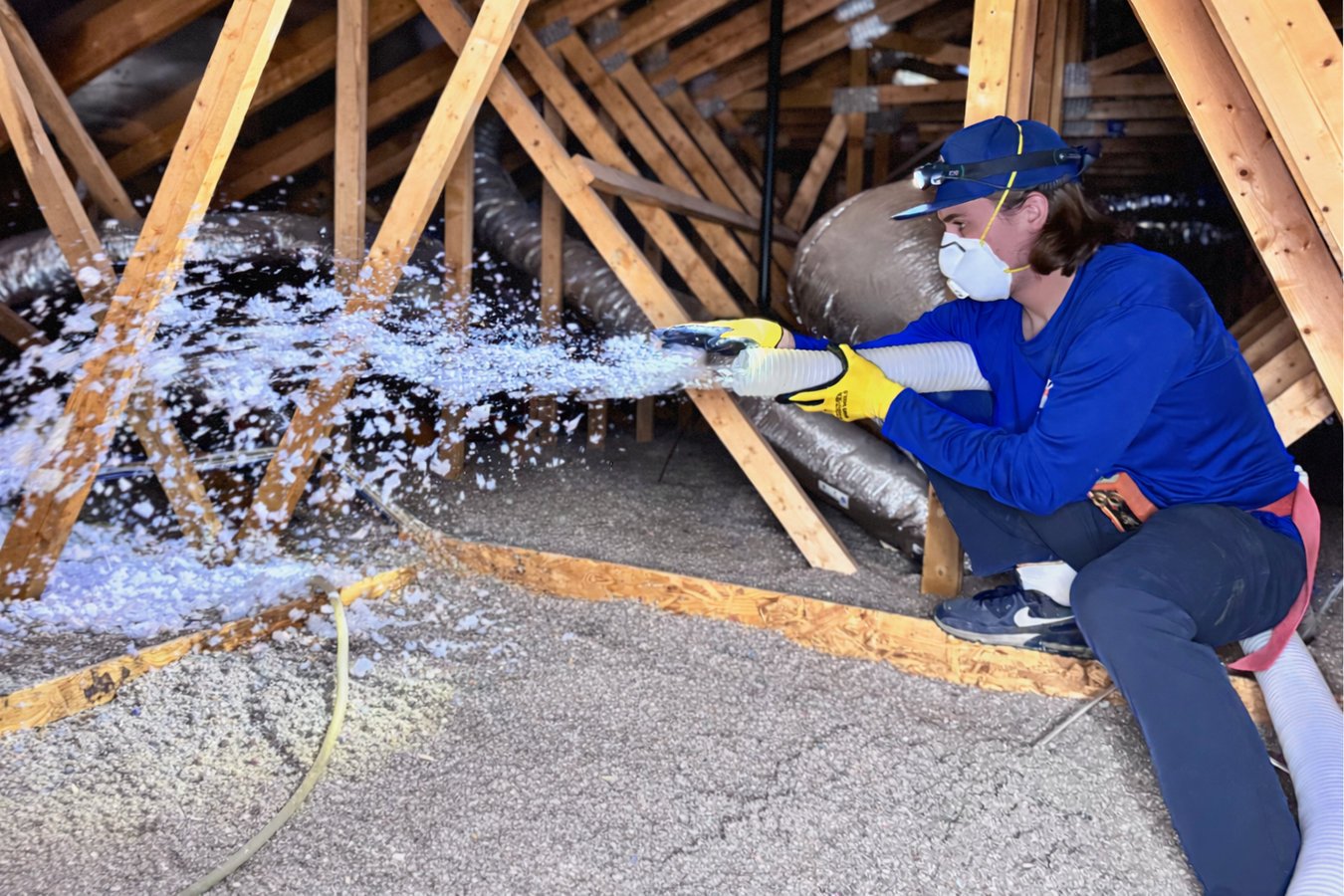
Older homes in Kailua and Kaneohe often have attic access points that are too small for batt installation. Blown-in insulation fills every corner of the attic floor evenly through a single hose, covers around framing members batt work would bridge over, and is typically installed in under a day with minimal disruption to the household.
Koolaupoko homes built in the mid-20th century were designed for natural ventilation, not air conditioning. Adding whole-home insulation to the attic, walls, and any crawl spaces catches up the thermal envelope to modern standards and reduces the strain on cooling equipment in a climate where electricity rates are among the highest in the country.
Even insulated homes on the windward side lose conditioned air through gaps around recessed lights, plumbing stack penetrations, and attic hatches. Air sealing closes those bypass pathways before they drain your cooling budget - and in Hawaii, where electricity is expensive year-round, the savings are real and ongoing.
The high rainfall throughout Koolaupoko keeps ground moisture levels elevated year-round. Crawl spaces under homes in this district deal with that moisture constantly, and without proper insulation and vapor control it wicks up into flooring, subfloor framing, and lower wall sections - causing rot and reducing indoor air quality over time.
Koolaupoko is the traditional name for the windward district of Oahu that stretches from Kailua in the south through Kaneohe, Ahuimanu, and Heeia. The Ko'olau Mountains that form the western boundary of this district catch trade wind moisture almost constantly, making Koolaupoko one of the wettest regions in the state. Kaneohe, the district's largest town, is frequently cited as one of the rainiest communities in the United States. That persistent rain and humidity accelerate wear on every building material that isn't chosen for a coastal, wet environment - including insulation that absorbs moisture, loses R-value, and eventually needs to be replaced.
The district's housing stock compounds the challenge. Most homes across Kailua and Kaneohe were built between the late 1940s and the 1970s using concrete masonry unit construction, often with flat or low-slope roofs and no insulation at all. They were designed for an era of open-air living, not air conditioning. Once homeowners added cooling systems, those uninsulated walls and ceilings became significant efficiency drains. With Hawaii consistently ranking among the most expensive states for residential electricity, every improvement to the thermal envelope delivers measurable ongoing savings - which is why getting insulation right the first time, with materials matched to windward conditions, matters more here than it would in a drier mainland climate.
Our crew works throughout Koolaupoko regularly, and we understand the local conditions that affect insulation work here. The district covers a wide range of terrain and housing types - from the flat coastal plain of Kailua to the hillside neighborhoods above Kaneohe - and the right insulation approach depends heavily on the specific home, its age, its construction type, and how exposed it is to rain and trade wind moisture.
The windward side is a distinct working environment from Honolulu or the leeward side of Oahu. Homes along Kaneohe Bay face direct salt air exposure, while valley properties further inland deal with near-constant moisture from mountain rain. Major roads like the Likelike Highway and the Pali Highway connect the district to the rest of Oahu, and we travel them regularly to reach homes on this side of the Ko'olau Mountains. The presence of Marine Corps Base Hawaii in Kaneohe also means a portion of the area's housing stock sees regular tenant turnover, which creates demand for insulation upgrades between occupants.
We regularly serve communities across the district, including Kaneohe and the smaller communities to the north such as Ahuimanu. If you are in any of the neighborhoods between Kailua and the northern end of the district, we are familiar with your area and can schedule quickly.
Reach us by phone or through our online contact form. We respond to all Koolaupoko inquiries within one business day and can typically schedule your on-site assessment within the same week.
We inspect your attic, walls, or crawl space in person at no charge. You receive a written estimate with line-item costs before we ask you to commit to anything - no pressure, no vague ballparks.
Our crew arrives on the date we agreed on with all equipment and materials loaded. Most residential insulation jobs across Koolaupoko are finished in a single day, and we clean up completely before leaving.
We walk you through the completed work so you can see exactly what was done and where. If anything comes up in the days after installation, call us and we will come back and look - no runaround.
Free estimates for homeowners across Koolaupoko, Kailua, and Kaneohe. No obligation until you approve the scope.
(808) 556-0595Koolaupoko is one of the nine traditional districts of Oahu, covering the windward (east) side of the island from Kailua in the south through Kaneohe, Ahuimanu, and Heeia to the north. Most residents identify with their specific town - Kailua or Kaneohe are the two main communities - rather than the broader district name. Kailua is the southernmost anchor, a coastal beach town of about 36,000 residents known for Kailua Beach and its tight grid of mid-century residential neighborhoods. Kaneohe sits just north and is more suburban in character, with a notable presence from Marine Corps Base Hawaii and significant views over Kaneohe Bay, the largest sheltered bay in Hawaii.
The housing stock across Koolaupoko is predominantly single-family detached homes built between the late 1940s and the 1970s - a mix of concrete block construction and wood-frame buildings on modest lots with carports and covered lanais. Median home values in the Kailua zip code have exceeded $1 million in recent years, and owner-occupancy rates are high. The Ko'olau Mountains form a dramatic western backdrop visible from most neighborhoods in the district, and the consistent rainfall they generate is both a defining feature of life here and a major driver of home maintenance needs. Nearby Heeia to the north and Maunawili to the south share the same windward climate, and we serve all three communities regularly.
Seals gaps and insulates surfaces in one application for lasting efficiency.
Learn MoreFills hard-to-reach cavities with loose-fill material for complete coverage.
Learn MoreInsulates below-grade spaces to control moisture and improve efficiency.
Learn MoreHigh-density foam that provides superior R-value and moisture resistance.
Learn MoreProfessional insulation solutions scaled for commercial buildings and facilities.
Learn MoreBlocks ground moisture from entering your crawl space and living areas.
Learn MoreInstalls protective barriers to prevent moisture damage throughout your home.
Learn MoreUpgrades insulation in existing homes without major renovation disruption.
Learn MoreHomeowners across Koolaupoko who call this week can often schedule an assessment within a few days - don't wait until high cooling bills force the issue.