Loading...
Serving Kailua, HI and surrounding areas. (808) 556-0595
Kailua's sun and humidity work against a poorly insulated home every day. The right insulation keeps conditioned air in and the heat out - so your AC runs less and your bill drops.
Home insulation in Kailua slows heat from moving through your ceilings, walls, and floors - most attic projects are completed in a single day, and most homeowners notice their home holding a more comfortable temperature within a few days of installation.
In a hot, sunny climate like Kailua's, the job of home insulation is almost entirely about blocking radiant heat from the sun rather than keeping warmth inside during winter. That shifts the focus toward the attic and roof assembly, where the most heat enters, before looking at walls and other areas. A large share of Kailua's homes were built in the 1950s through 1970s, when insulation standards in Hawaii were minimal or nonexistent. If your home dates from that period, there is a good chance the attic has far less insulation than current standards call for - or none at all. If you have been putting off an insulation removal and replacement because you are not sure whether your old material is worth saving, a quick assessment from a contractor usually answers that question in under an hour.
Kailua also has many properties with ohana units, garage conversions, and additions built over the decades without consistent insulation standards. These spaces are often the biggest energy drains on a property. A whole-home assessment covers the primary structure and any secondary spaces that are contributing to high cooling costs.
If your electricity costs have been creeping up year after year - or your bill spikes every summer when the sun is strongest - your home may be losing the battle against heat gain. In Kailua, where most homes rely on air conditioning to stay comfortable, poor attic insulation is one of the most common culprits. If your AC runs almost constantly but the house still feels warm, that is a strong signal.
Walk through your home on a sunny afternoon and pay attention to which rooms feel stuffy or warm even with the AC on. Rooms directly under the roof - especially top-floor bedrooms - are often the first to show the effects of inadequate attic insulation. In Kailua's intense sun, an under-insulated attic can radiate heat downward all day long.
If you shine a flashlight into your attic and can see the tops of the ceiling joists poking above the insulation, or if coverage looks thin and uneven, you likely do not have enough. You should not be able to see the structure through properly installed insulation. Many older Kailua homes have exactly this situation.
Kailua's trade winds usually keep homes feeling fresh, so if your indoor air feels heavy or you notice musty smells in certain rooms, moisture may be getting trapped inside your walls or ceiling. This sometimes happens when old or improperly installed insulation has broken down and is no longer managing humidity the way it should.
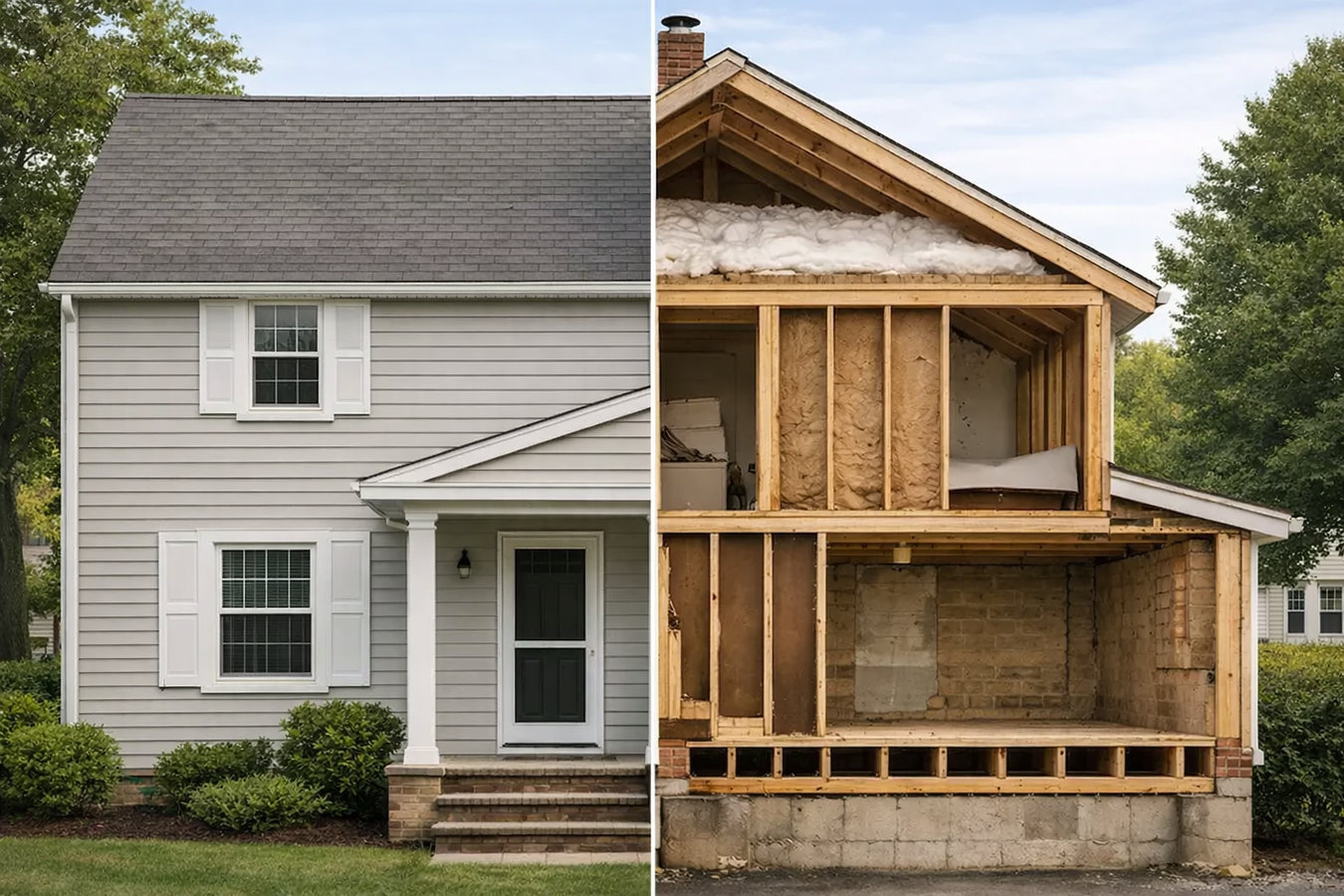
We handle full home insulation assessments and installations across Kailua and the surrounding windward communities. Every project starts with an in-person visit where we look at the attic, check any walls or crawl spaces you are concerned about, measure the space, and look for moisture or air-sealing issues that should be addressed at the same time. We bring together the right combination of materials for each part of your home - blown-in for accessible attic floors, spray foam where air sealing and moisture resistance are the priority, and batt material where it is the most practical fit. Wall insulation is often overlooked in whole-home upgrades, but older Kailua homes with uninsulated concrete block walls lose a meaningful amount of conditioned air through the exterior surfaces - particularly on west- and south-facing walls that absorb afternoon sun.
You receive a written estimate that breaks down each area of the home, what material we recommend and why, and the total cost with a clear line-item breakdown. Depending on the scope of the project, a permit may be required - we handle pulling it through the City and County of Honolulu's Department of Planning and Permitting so you do not have to navigate that process yourself.
The highest-impact upgrade for most Kailua homes - addresses the primary entry point for radiant heat from the roof.
Suited to older concrete block or wood-frame homes where exterior wall cavities were never insulated during construction.
Covers the floor system in homes with raised foundations, blocking heat and moisture from entering through the floor.
Targeted for converted garages, ohana units, and additions where insulation was inconsistent or skipped during construction.
Kailua is on the windward side of Oahu, where the combination of strong sun, persistent northeast trade winds, and year-round humidity creates conditions that are hard on both homes and energy budgets. Hawaii consistently has the highest residential electricity rates in the country - often two to three times the national average. That means every degree of heat your insulation keeps out of your living space translates to real dollar savings on your electric bill, and the payback period for a home insulation upgrade in Kailua is typically shorter than it would be for a homeowner in a lower-cost state. The U.S. Department of Energy has detailed guidance on insulation R-values and how they translate to energy savings - and Hawaii's climate zone has specific recommendations suited to the islands' heat-focused conditions.
We serve homeowners throughout windward Oahu, including in Waimanalo and Kaneohe. Whether your home is a post-war concrete block house near Kawainui Marsh or a newer build closer to the beach, we know the construction styles and climate conditions specific to this part of Oahu.
Tell us the age of your home and what is prompting your call. We respond within 1 business day and schedule an in-home assessment at a time that works for you. No commitment required to get the assessment.
We visit your home, inspect your attic and any other areas of concern, check for moisture issues, and measure the space. After the visit you receive a written estimate that breaks down what we recommend and why - not just a single number.
Depending on the scope, a permit from the City and County of Honolulu may be required. We handle pulling the permit and coordinate any required inspections - you should not have to navigate that process yourself.
The crew protects your home during the work and completes installation efficiently - attic jobs typically take four to eight hours. Before leaving, we walk you through the finished work and confirm what to expect in the coming weeks.
Free in-home assessment, written estimate, no pressure. We tell you what is there, what condition it is in, and what an upgrade will cost - before you decide anything.
(808) 556-0595Before we quote a single product, we inspect your attic, walls, and any secondary spaces. A lot of Kailua homes from the 1950s and 1960s have been patched and modified over the years in ways that are not always obvious from the outside. You will know exactly what is in your home before we recommend anything.
Living on the windward side of Oahu means your home deals with persistent humidity that most mainland contractors have never encountered. We choose materials and methods that let your home breathe properly - so moisture moves through the way it should, rather than getting trapped inside your walls and ceiling.
Navigating the City and County of Honolulu's permitting process is not something you should have to figure out on your own. When a permit is required for your project, we handle pulling it and coordinate any required inspections. Work done on record protects your home's value and your safety.
The federal government currently offers a tax credit for homeowners who upgrade insulation in existing homes. The ENERGY STAR program maintains a current list of qualifying materials and requirements. A contractor familiar with these incentives can tell you which products qualify so you can confirm the details with your tax professional.
Every home insulation job we complete is backed by a clear process - assess, recommend, install, verify. That process is what makes the difference between an upgrade that performs for two decades and one that disappoints after the first billing cycle. ENERGY STAR federal tax credit details are a useful reference before you finalize your project scope.
Safe removal of degraded, moldy, or outdated insulation before a fresh installation - required when old material is wet or contaminated.
Learn MoreTargeted wall insulation for Kailua homes where exterior wall cavities were left empty during original construction.
Learn MoreWith Hawaii's electricity rates, a poorly insulated home costs you money every single month - call today and get a written assessment within 1 business day.