Loading...
Serving Kailua, HI and surrounding areas. (808) 556-0595
Salt air, intense UV, and year-round humidity wear down Honolulu homes faster than most homeowners expect. We help you get ahead of it.
Advanced Kailua Insulation has served Oahu homeowners since 2015, delivering commercial insulation, residential spray foam, attic upgrades, and air sealing for the full range of Honolulu's housing stock - from 1960s concrete block homes in Kaimuki to condo units near Ala Moana.
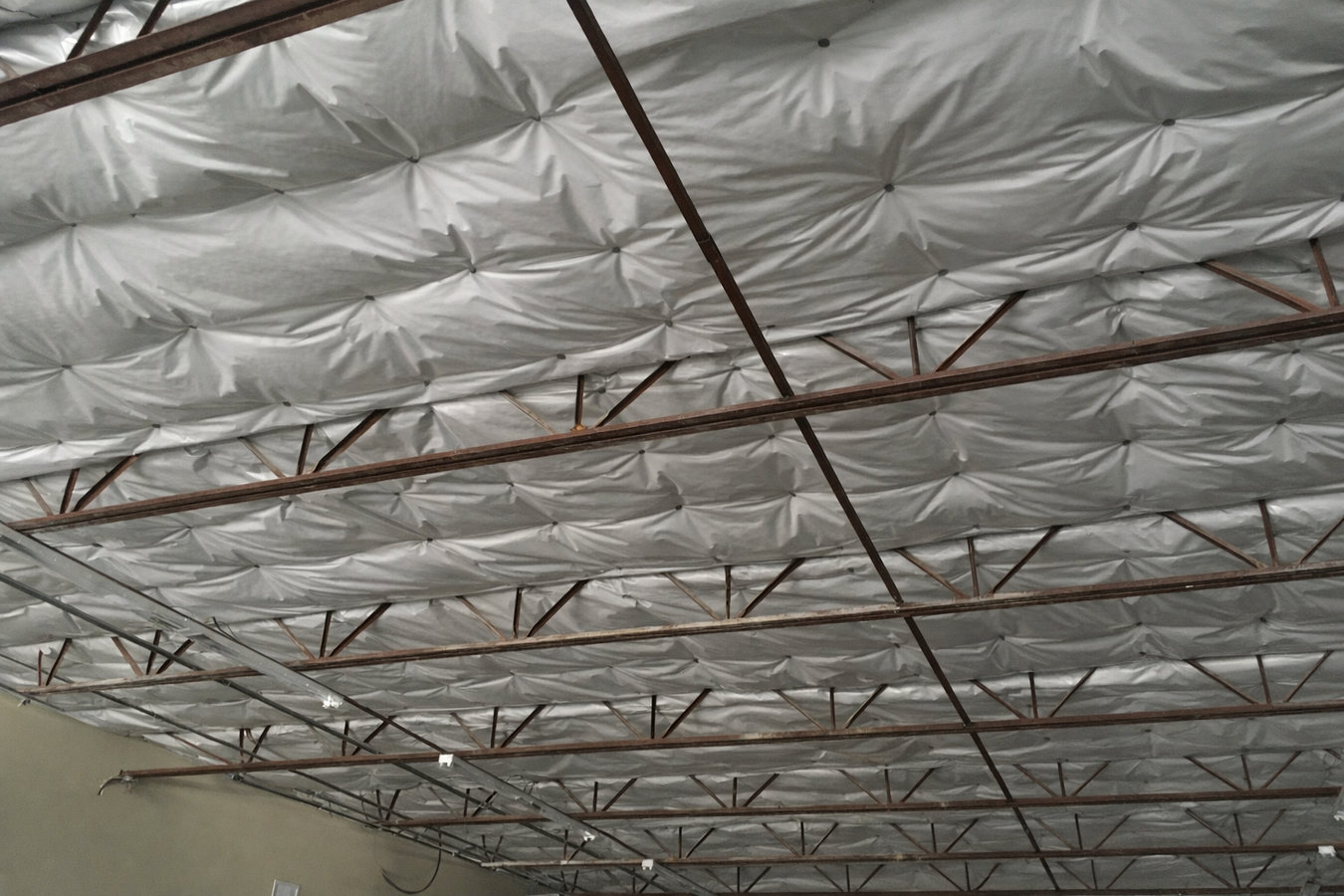
Honolulu has one of the most active commercial property markets in Hawaii, with aging retail, office, and mixed-use buildings throughout downtown and the major corridors that need insulation updates to meet energy performance expectations. Our commercial insulation services cover everything from warehouse facilities to multi-story buildings, with materials and methods suited to Hawaii's coastal climate.
Honolulu's salt air and humidity make closed-cell spray foam one of the most durable insulation choices available, since it resists moisture absorption and does not corrode the way some other materials do in a coastal environment. It bonds directly to concrete block - the most common wall construction type in Honolulu's older single-family homes - and creates an air barrier at the same time it adds thermal resistance.
Honolulu's intense UV and strong sun heat attic spaces dramatically during the day, and inadequate attic insulation lets that heat press straight through the ceiling into living areas - a common complaint in older Kaimuki and Manoa homes where original insulation has thinned. Upgrading attic insulation reduces AC runtime and makes upstairs rooms significantly more comfortable during the hottest parts of the day.
Older Honolulu homes were built to ventilate rather than seal, with jalousie windows, open soffits, and minimal caulking around penetrations. That open construction made sense before AC became standard but now allows warm, humid outside air to constantly infiltrate conditioned spaces. Air sealing those gaps reduces the load on AC systems and keeps indoor humidity more stable, which also helps prevent mold in wall cavities.
Single-family homes in Honolulu neighborhoods like Manoa and Nuuanu often sit on raised foundations, and the crawl spaces beneath them accumulate ground moisture and are prone to the termite activity that is endemic in Hawaii. Insulating and sealing the crawl space protects wood framing from both moisture damage and thermal transfer through the floor into living areas.
For interior walls in Honolulu condo units and single-family homes where sound control matters as much as thermal performance, open-cell spray foam provides excellent acoustic dampening alongside solid insulation value. It is a practical choice for units in high-rise buildings where neighbors on multiple sides create noise transfer through shared walls and ceilings.
Honolulu sits on the southern shore of Oahu within a few miles of the ocean, and the combination of salt air, high humidity, and intense tropical UV creates conditions that are harder on building materials than almost anywhere in the continental United States. Salt air corrodes metal fasteners and degrades roofing materials. UV breaks down exterior coatings and foam products faster than manufacturer ratings - which are typically based on mainland conditions - would suggest. The city receives about 17 inches of annual rainfall at the coast, but valley neighborhoods like Manoa can get 150 inches or more per year, creating a wide range of moisture exposure within the same city. Most of Honolulu's single-family homes were built between the 1950s and 1980s and were designed for ventilation rather than thermal sealing, meaning original insulation was minimal and has continued to degrade for decades.
Honolulu's housing stock is also uniquely diverse: concrete block single-family homes, wood-frame bungalows, and high-rise concrete condominiums are all common within the same neighborhoods. Each construction type requires different insulation approaches. Concrete block walls need foam injected or spray-applied from the interior. High-rise condo units have their own access constraints and HOA coordination requirements. An insulation contractor who works across Honolulu regularly knows the difference and comes prepared for each property type without needing to figure it out on your dime.
Our crew works throughout Honolulu regularly, and we understand the local conditions that affect insulation work here. Permit coordination for Honolulu properties runs through the City and County of Honolulu Department of Planning and Permitting. For most standalone insulation and air sealing work, no permit is required, but we handle the coordination on any project that needs it. We work across all of Honolulu's major neighborhoods - Kaimuki, Manoa, Hawaii Kai, Nuuanu, and Ala Moana - and are familiar with the different housing types and construction eras each one represents.
Honolulu is a city of contrasts from a contractor's perspective. A Manoa Valley bungalow in the rainiest part of the city requires a very different approach than a 1970s concrete block home near Diamond Head, and a high-rise condo near Waikiki requires different logistics entirely. We navigate all three settings - and the HOA coordination and building management approvals that sometimes come with condo work. The nearby community of Aiea is also part of our regular service territory, and we connect Honolulu homeowners with the same crew that serves the broader Oahu market.
For Honolulu homeowners concerned about termites - one of the most persistent problems in Hawaii according to the Hawaii Department of Agriculture - proper insulation and moisture management in crawl spaces and attics reduces the damp conditions that attract and sustain termite colonies in wood framing. We also serve Waimanalo Beach and the broader windward and leeward Oahu communities.
Reach us by phone or through the contact form and we will respond within one business day. Describe what you are experiencing - high energy bills, hot rooms, musty smells - and we will prepare for a visit that focuses on the right areas of your home.
We come to your Honolulu home, condo, or commercial property and inspect the areas of concern. The estimate is free and written - no vague ranges, no surprise additions later. For condo jobs, we coordinate with building management or HOA requirements as part of the pre-work process.
We arrive with all materials and equipment on the agreed date. Most residential Honolulu insulation jobs are done in a single day. Commercial work and larger multi-area projects may take two days - we confirm the timeline clearly during the estimate so you can plan accordingly.
Before we leave, we walk you through what was done and answer any questions. If you notice anything in the days after - performance, air quality, anything at all - we are reachable and will come back to address it. Your satisfaction is part of the job, not an add-on.
We serve homeowners and businesses throughout Honolulu - from Manoa and Kaimuki to Hawaii Kai and Waikiki. No obligation, and we reply within one business day.
(808) 556-0595Honolulu is the state capital and largest city in Hawaii, home to roughly 350,000 residents on the southern shore of Oahu. The city stretches from Pearl Harbor in the west to Hawaii Kai in the east, encompassing dramatically different neighborhoods in terms of character, elevation, and rainfall. Diamond Head, the iconic volcanic crater that rises above the eastern edge of Waikiki, is perhaps the most recognized landmark in all of Hawaii. Waikiki's densely packed high-rise hotels and condominiums give way to quieter residential neighborhoods like Kaimuki, Manoa, and Nuuanu as you move mauka (toward the mountains). Housing stock is a mix of older concrete block and wood-frame single-family homes, post-statehood ranch-style properties, and a large inventory of high-rise condo towers built from the 1970s onward.
The city's neighborhoods each have their own insulation profile. Manoa Valley, just a few miles from downtown, sits in a geographical pocket that catches heavy rainfall - sometimes over 150 inches per year - while the coastal areas get far less. Kaimuki and the older residential neighborhoods to the east have dense concentrations of mid-century concrete block homes where wall insulation is often absent. Hawaii Kai on the eastern tip of the city has newer suburban construction built around a marina with its own salt air and moisture exposure. Whatever part of Honolulu your property is in, we know the neighborhood and its construction history. We also serve nearby Aiea and Pearl City on the leeward side of Oahu.
Seals gaps and insulates surfaces in one application for lasting efficiency.
Learn MoreFills hard-to-reach cavities with loose-fill material for complete coverage.
Learn MoreInsulates below-grade spaces to control moisture and improve efficiency.
Learn MoreHigh-density foam that provides superior R-value and moisture resistance.
Learn MoreProfessional insulation solutions scaled for commercial buildings and facilities.
Learn MoreBlocks ground moisture from entering your crawl space and living areas.
Learn MoreInstalls protective barriers to prevent moisture damage throughout your home.
Learn MoreUpgrades insulation in existing homes without major renovation disruption.
Learn MoreCall Advanced Kailua Insulation now for a free estimate - the longer you wait, the more your insulation degrades in Honolulu's coastal climate.